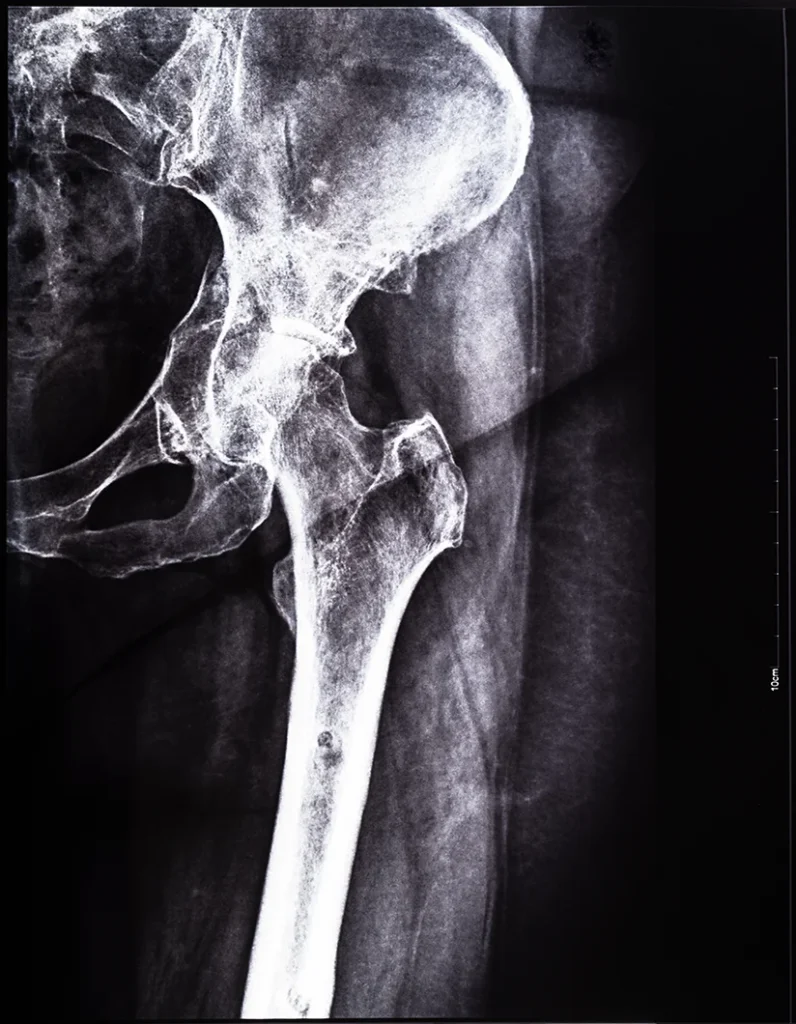
Muscle and joint pain are common, especially as we age or lead active lifestyles. While many orthopedic issues can be treated with rest, physical therapy, or medication, some conditions require specialized care. Knowing when to see an orthopedic surgeon can help prevent further damage and improve long-term outcomes.
What Does an Orthopedic Surgeon Do?
An orthopedic surgeon specializes in diagnosing, treating, and preventing conditions affecting the musculoskeletal system — including bones, joints, ligaments, tendons, and muscles. They treat both acute injuries and chronic conditions, using surgical and non-surgical methods.
Signs You Should See an Orthopedic Surgeon
1. Persistent Pain Lasting More Than a Few Weeks
If pain continues despite rest, medication, or home treatment, it may indicate a more serious issue such as joint degeneration, tendon tears, or structural damage.
2. Limited Range of Motion
Difficulty bending, straightening, or rotating a joint may signal inflammation, cartilage damage, or arthritis.
3. Joint Instability
If your knee, shoulder, or ankle feels unstable, gives out, or cannot support weight properly, you may have ligament damage or structural weakness.
4. Swelling or Inflammation That Doesn’t Improve
Ongoing swelling, warmth, or redness around a joint should be evaluated, especially if accompanied by pain or reduced function.
5. Difficulty Performing Daily Activities
If tasks like walking, climbing stairs, lifting objects, or getting dressed become challenging due to joint or muscle pain, professional evaluation is recommended.
6. Sports or Traumatic Injuries
Sudden injuries from falls, accidents, or sports activities — especially those involving severe pain, deformity, or inability to bear weight — should be assessed promptly.
7. Numbness or Tingling
Symptoms such as numbness, tingling, or weakness in the arms or legs may indicate nerve compression or spinal issues.

When Is Surgery Considered?
Orthopedic surgeons typically recommend surgery only after conservative treatments — such as physical therapy, medications, injections, or bracing — have failed. In some cases, like fractures or severe ligament tears, surgery may be necessary immediately.
The Benefits of Early Evaluation
Seeking medical attention early can:
-
Prevent worsening damage
-
Improve recovery time
-
Reduce the risk of chronic pain
-
Offer more treatment options
Early diagnosis often allows for less invasive treatment approaches.
Final Thoughts
You don’t have to live with ongoing pain or limited mobility. If musculoskeletal symptoms are persistent, worsening, or interfering with your quality of life, it may be time to consult an orthopedic specialist. Timely care can help restore function, relieve discomfort, and get you back to the activities you enjoy.